1 · STEP
Ride powered enough to create opportunity
I want enough usable power to build speed and load the edge without being so overpowered that control disappears.

BIG AIR · PRACTICAL SEQUENCE
The practical sequence I use to turn a good wind opportunity into more height: speed, edge, send, release, then review the result.
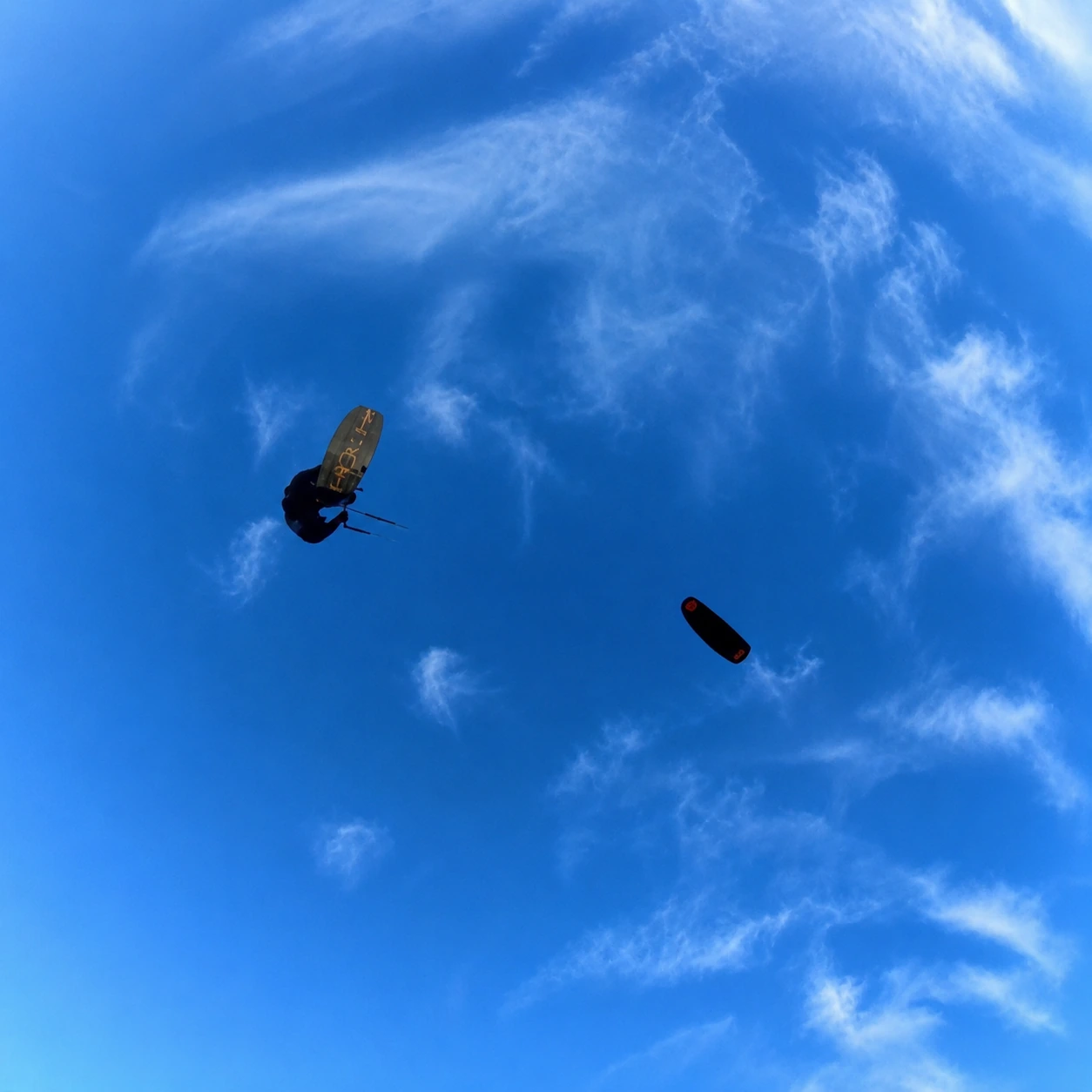
QUICK ANSWER
Start with enough usable power to create a genuine height opportunity. Then carry board speed, hold a committed edge, send the kite cleanly and release at the right moment. More wind can raise the ceiling, but control is what lets a rider convert that power into height.
THE STARTING POINT
The first mistake is treating every WOO height as a pure test of technique.
I start by asking whether the wind, water and setup offered a genuine height opportunity. Only then does it make sense to judge what I did with it.
More wind can raise the ceiling, but control is what lets me use it. The goal is usable power, controlled speed, a committed edge and a release that arrives at the right moment.
FIVE STEPS
Each stage supports the next. No single cue replaces the whole sequence.
1 · STEP
I want enough usable power to build speed and load the edge without being so overpowered that control disappears.
2 · STEP
Speed is energy available for the jump. The aim is speed I can still resist through the board and hold through the send.
3 · STEP
The edge creates resistance against the kite. I am looking for a strong edge that survives until the send and release are ready.
4 · STEP
Load, send, edge and release are linked events. The cleaner they overlap, the better the available power is converted vertically.
5 · STEP
After the ride I compare achieved height with the predicted opportunity, wind, equipment and comparable previous sessions.
NEXT QUESTIONS
The guide connects directly to technique depth, weather and session review.
TECHNIQUE DEEP DIVES
Two focused guides turn the take-off and ride-away into repeatable on-water tests.
NEXT LAYER